
About JRDA
JRDA has been established in December 2004 for implementation of Rehabilitation and Resettlement of Non-BCCL people residing in fire and subsidence affected areas of Jharia Coalfield.
In the Jharia coalfield, located in Dhanbad district of Jharkhand, India, coal mining has a history spanning nearly two hundred years. Before nationalization, unscientific and uncontrolled mining by private individuals and institutions led to the emergence of fire and subsidence problems in many areas of this region. As a result, environmental pollution has worsened, seriously affecting the health of the people living there. Additionally, essential infrastructure such as railways, roads, electricity, and water lines passing through these areas have also come under serious threat.
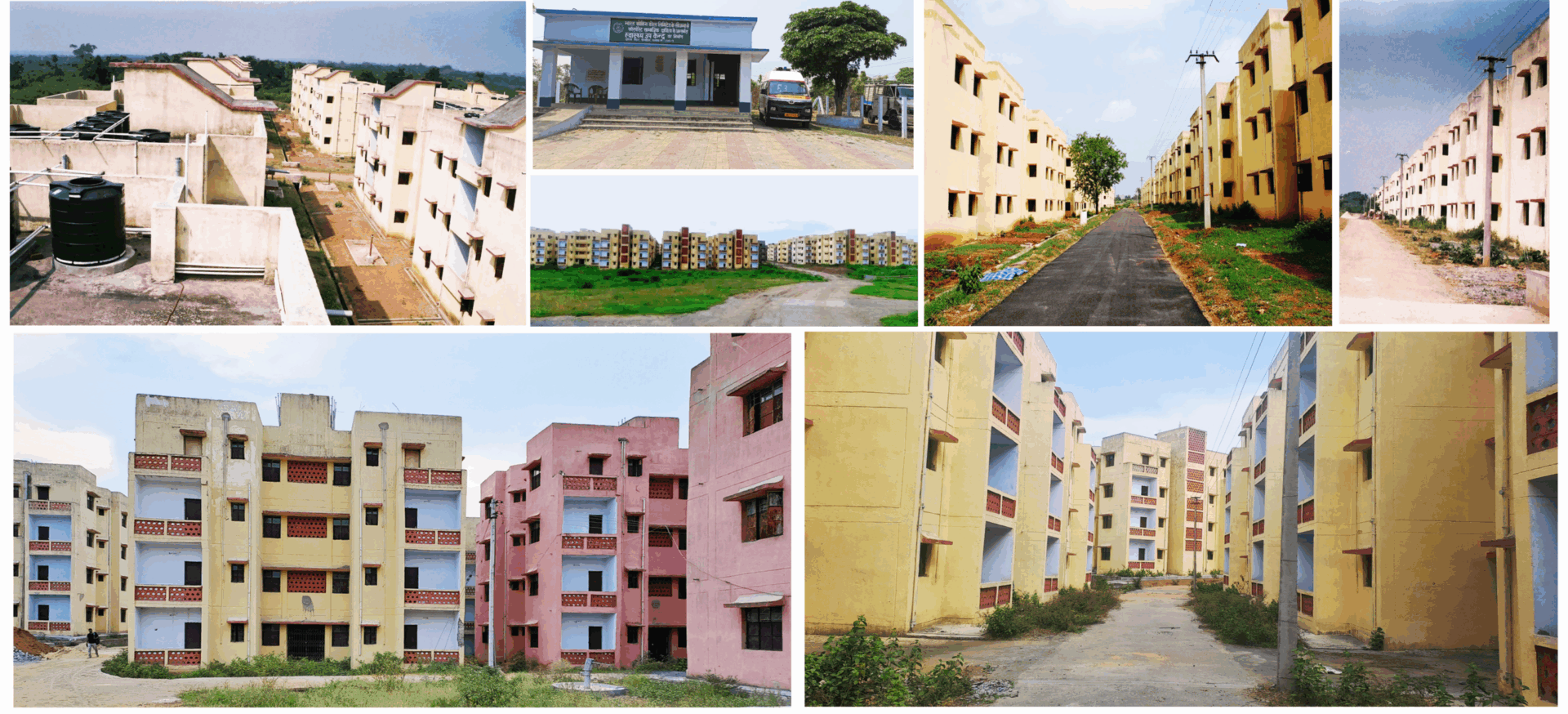
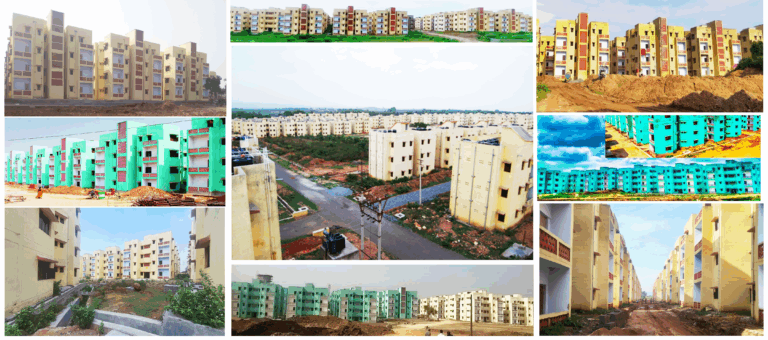
Why and How Was the Rehabilitation Project Conceptualized?
The Jharia coalfield has long been struggling with the issues of fire and subsidence, and numerous efforts have been made to find a resolution. Committees were formed in the years 1922, 1937, 1953, and 1957 to tackle these problems, but they could not prove effective. In 1957, the BARAKAR SUBSIDENCE COMMITTEE was formed, and in 1976, another committee was constituted under the chairmanship of Mr. S.P. Guggnani, Joint Secretary, Ministry of Coal, Government of India.
The current Master Plan was prepared by CMPDI based on the recommendations of the committee formed under the chairmanship of the Secretary, Ministry of Coal, Government of India, in December 1996, and it has been updated up to March 2008. The approval of the Master Plan was notified by the Ministry of Coal, Government of India, New Delhi, through letter number 22020/1/2005 CRC dated 12 August 2009, and a High-Powered Central Committee was constituted under the chairmanship of the Secretary, Ministry of Coal, to monitor all the provisions outlined in it. This committee includes, apart from the Director General of Mines Safety, several other technical and non-technical officers.
The only permanent solution is to evacuate the affected areas and rehabilitate the affected families at safe locations elsewhere. Taking the above suggestion of the Director General of Mines Safety as the guiding principle, the Government of India and the State Government decided to relocate the non-BCCL families affected by fire and subsidence in the Jharia coalfield to safe locations elsewhere and to provide all essential amenities at these sites. Instead of resettling the families affected by fire and subsidence in small scattered plots, they will be settled in Satellite Townships equipped with basic facilities. The Master Plan has set a total time frame of twelve years for this, including two years for pre-implementation activities during which economic and social survey work must be completed.